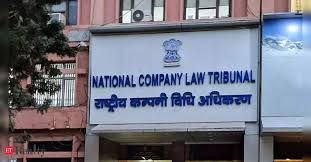
COURTKUTCHEHRY SPECIAL ON WHY NCLT PENDING CASES RISE IS CAUSE OF MAJOR CONCERN
India’s NCLTs Face 10-Year Backlog: Why Case Pendency Is Rising and How Delays Hurt Corporate Resolution
Economic Survey Flags Capacity Crisis in Insolvency Tribunals
Remedies Suggested to Speed Up Corporate Case Resolution
By Our Legal Reporter
New Delhi: January 29, 2026:
The Insolvency and Bankruptcy Code (IBC), 2016 was introduced to provide a swift and efficient mechanism for resolving corporate distress. It replaced a fragmented system of recovery laws with a single framework designed to preserve value through timely resolution. However, nearly a decade later, the system is struggling under the weight of mounting pendency.
Also Read: CJI Surya Kant Blames Trade Unions for Slowing India’s Industrial Growth
According to the Economic Survey 2025–26, NCLTs across India will take almost 10 years to clear pending cases if the current pace continues. This backlog threatens to undermine investor confidence, stall corporate restructuring, and freeze capital worth over ₹15 lakh crore in unresolved insolvency proceedings.
Why Pendency Has Risen So Sharply
1. Capacity Constraints
- NCLTs are understaffed, with limited benches and members compared to the volume of cases.
- Vacancies in tribunal positions and lack of specialized training have slowed disposal.
2. Complexity of Cases
- Large corporate insolvencies involve multiple stakeholders, cross-border creditors, and complex financial structures.
- Evidence requirements and frequent adjournments add to delays.
3. Regulatory Collisions
- Overlaps between NCLT proceedings and actions by enforcement agencies (like ED and SEBI) create confusion.
- Parallel litigation in High Courts and the Supreme Court further prolongs resolution.
4. Weak Post-Resolution Funding
- Even after resolution plans are approved, lack of financing delays implementation, leading to repeated litigation.
5. Appellate Delays
- The National Company Law Appellate Tribunal (NCLAT) also faces pendency, with thousands of appeals pending for over a year.
Remedies Suggested
1. Expand Tribunal Capacity
- Increase the number of NCLT benches and appoint more members.
- Establish regional benches to reduce case load in metropolitan centers.
2. Digital Transformation
- Implement E-Court projects for faster filing, hearings, and document management.
- Use AI-driven case management tools to prioritize urgent matters.
3. Strengthen Resolution Professionals (RPs)
- Provide training and certification to insolvency professionals for handling complex cases.
- Ensure accountability of RPs to prevent misuse or negligence.
4. Streamline Regulatory Coordination
- Create a unified framework to avoid clashes between NCLT, SEBI, ED, and other agencies.
- Introduce statutory timelines for parallel proceedings.
5. Encourage Pre-Packaged Insolvency
- Promote “pre-pack” schemes where debtors and creditors agree on resolution before approaching NCLT.
- This reduces litigation and speeds up approval.
Impact of Delay in Corporate Case Resolution
1. Frozen Capital
- Over ₹15 lakh crore remains locked in unresolved insolvency cases, reducing liquidity in the economy.
2. Loss of Business Value
- Delayed resolution erodes the value of distressed companies, making revival harder.
- Assets depreciate, employees leave, and creditors lose confidence.
3. Investor Confidence
- Global investors view delays as a sign of weak enforcement, discouraging foreign direct investment (FDI).
4. Banking Sector Stress
- Non-performing assets (NPAs) remain unresolved, burdening banks and limiting their ability to lend.
5. Judicial Credibility
- Prolonged pendency undermines the credibility of the IBC framework, which was designed for speed.
Expert Commentary
Legal and financial experts warn that unless urgent reforms are implemented, India’s insolvency regime risks losing its effectiveness. They emphasize that timely resolution is the backbone of IBC, and without it, the system could collapse under its own weight.
Conclusion
The 10-year backlog in NCLTs is a wake-up call for policymakers. While the Insolvency and Bankruptcy Code remain a landmark reform, its success depends on speedy resolution. Expanding tribunal capacity, embracing digital tools, and streamlining regulatory coordination are essential to restore confidence in India’s insolvency framework.
Without urgent action, India risks freezing billions in capital, discouraging investment, and weakening its corporate governance system.
OUR BOOK SUGGESTION:
Also Read: Supreme Court Clarifies: Only Civil Courts Can Extend Arbitration Timelines Under Section 29A
For readers interested in understanding the broader legal framework around property, inheritance, and succession—which often intersects with corporate disputes—a recommended resource is the book Will Writing Simplified [Law, Procedure and Drafting of Wills, Codicils, Revocation, Probate, Letters of Administration and Succession Certificates with Supreme Court Case Law], available on Amazon and Flipkart.
Suggested Keywords for Faster Searches
- NCLT case pendency India 2026
- Economic Survey insolvency backlog
- Corporate Insolvency Resolution Process delays
- IBC reforms India 2026
- NCLT vs NCLAT case backlog
- Remedies for insolvency delays India
- Impact of corporate case delay India
- Frozen capital insolvency resolution India
Also Read: ITAT Ahmedabad Rules: No Deemed Rent for Vacant Flats if Genuine Efforts Made