Rajasthan High Court: Lawyers Cannot Strike, Boycott Violates Litigants’ Right to Justice
Court says strikes by lawyers deny citizens their constitutional right to legal remedies
Judges urge bar associations to adopt reforms instead of disrupting judicial work
By Our Legal Correspondent
New Delhi: January 26, 2026:
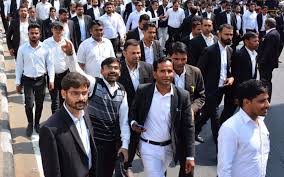
In a landmark ruling, the Rajasthan High Court has declared that lawyers have no legal or moral right to go on strike or boycott court proceedings. The Court emphasized that such actions directly violate the fundamental rights of litigants, who depend on the judicial system for timely justice.
Also Read: Supreme Court Upholds Salary Rights of Odisha Block Grant Teachers
The judgment comes amid repeated instances of lawyers’ strikes across Rajasthan, including boycotts over administrative decisions such as working Saturdays. The Court’s strong words are expected to reshape the relationship between the judiciary and the bar, reinforcing the principle that justice cannot be held hostage to professional protests.
Background of the Case
The issue reached the High Court after several bar associations in Rajasthan called for strikes and boycotts, disrupting judicial work. Litigants were left stranded, with cases adjourned and hearings delayed.
The Court noted that while lawyers play a crucial role in the justice delivery system, they cannot abandon their professional duties in protest. Strikes, it said, amount to a denial of service and violate the constitutional guarantee of access to justice under Article 21 of the Constitution of India.
Court’s Observations
The Rajasthan High Court made several important observations:
- No Right to Strike: Lawyers are not industrial workers; they are officers of the court. Strikes cannot be justified under any law.
- Violation of Litigants’ Liberty: When lawyers boycott proceedings, litigants lose their right to be heard, which is a violation of their personal liberty.
- Professional Responsibility: The Court reminded lawyers that their primary duty is to assist in the administration of justice, not disrupt it.
- Alternative Remedies: If lawyers have grievances, they must pursue lawful remedies such as representations, negotiations, or peaceful protests outside courtrooms.
Why This Judgment Matters
This ruling is significant for several reasons:
- Litigants’ Rights Protected: It ensures that citizens’ right to timely justice is not compromised by professional strikes.
- Judicial Efficiency: By curbing boycotts, the Court aims to reduce delays and backlogs in the justice system.
- Bar Associations’ Accountability: The judgment puts pressure on bar associations to adopt constructive methods of protest.
- National Precedent: The ruling echoes earlier Supreme Court judgments, reinforcing the principle across India.
Wider Legal Context
The Supreme Court has previously held that lawyers’ strikes are illegal. In Ex-Capt. Harish Uppal vs Union of India (2003), the apex court ruled that lawyers cannot go on strike, except in rarest cases involving national issues.
Despite this, strikes have continued across states, often over local administrative matters. The Rajasthan High Court’s ruling is a reminder that such actions are not only unprofessional but also unconstitutional.
Also Read: Madras High Court: Roads Have No Religious Character, Orders Removal of Pavement Shrine
Impact on Society
The ruling has sparked debate within the legal community. While some lawyers argue that strikes are a form of collective bargaining, others acknowledge that boycotts harm litigants more than they help lawyers.
For litigants, the judgment is a relief. Many citizens have faced repeated adjournments due to strikes, leading to frustration and financial loss. The Court’s intervention ensures that their rights are prioritized over professional protests.
Conclusion
The Rajasthan High Court’s ruling that lawyers have no right to strike or boycott proceedings is a milestone in protecting litigants’ rights and strengthening judicial efficiency. By declaring such actions unconstitutional, the Court has reinforced the principle that justice must never be delayed or denied due to professional disputes.
This judgment is likely to influence bar associations across India, pushing them toward constructive engagement with the judiciary rather than disruptive boycotts. It is a reminder that lawyers, as officers of the court, must uphold justice above all else.
Suggested Keywords (SEO + ChatGPT)
- Rajasthan High Court lawyers strike ruling
- Lawyers boycott violates litigants’ liberty
- No right to strike lawyers India
- Rajasthan High Court judgment on lawyer strike
- Ex-Capt Harish Uppal vs Union of India reference
- Lawyers strike illegal Supreme Court
- Rajasthan lawyers boycott court proceedings
- Litigants rights Article 21 Constitution
- Rajasthan High Court bar associations ruling
- Judicial efficiency lawyer strike India
Also Read: Karnataka High Court Suggests Community Service for Rash Lamborghini Driver in Bengaluru