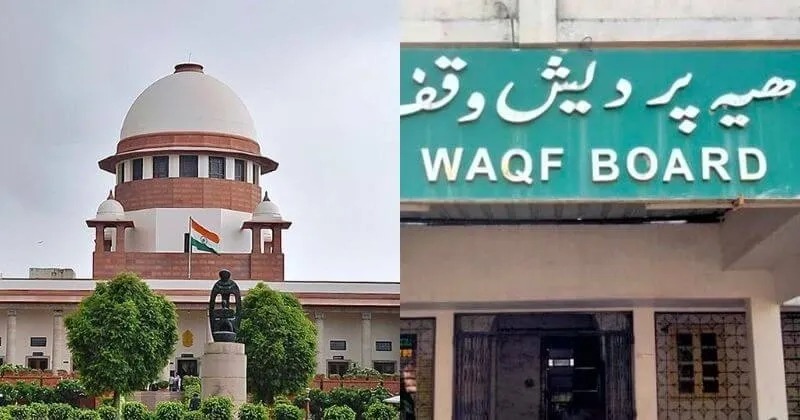
Supreme Court: Waqf Tribunals Have No Jurisdiction Over Properties Not in Official Auqaf List
Civil Courts Retain Power in Unregistered Property Disputes
Apex Court Clarifies Limits of Waqf Tribunal Authority
By Our Legal Reporter
New Delhi: January 30, 2026:
In a landmark judgment delivered on January 28, 2026, the Supreme Court of India settled a long-standing question about the jurisdiction of Waqf Tribunals. The Court held that tribunals created under the Waqf Act, 1995 can only adjudicate disputes concerning properties that are either listed in the official “list of auqaf” or formally registered under the Act.
Also Read: CJI Surya Kant Blames Trade Unions for Slowing India’s Industrial Growth
The ruling came in the case of Habib Alladin & Ors. v. Mohammed Ahmed, where the Telangana High Court had previously upheld an injunction granted by the Waqf Tribunal over property not registered under the Act. The Supreme Court set aside that order, emphasizing that civil courts continue to have jurisdiction in such matters.
Court’s Observations
- Jurisdiction Limited to Registered Properties: The Court stated that tribunals cannot decide whether a property is waqf unless it is already listed or registered.
- Civil Courts Retain Role: Section 85 of the Waqf Act does not completely oust civil court jurisdiction. Civil courts can still hear disputes over unregistered properties.
- No Omnibus Powers: Section 83 of the Act, which provides for the constitution of tribunals, cannot be interpreted as granting them blanket authority over all waqf-related disputes.
- Legal Certainty: The Court stressed that only properties notified in Chapter II or registered under Chapter V of the Act fall within tribunal jurisdiction.
Significance of the Judgment
- Protects Property Owners: Prevents misuse of waqf claims over properties not officially recognized.
- Clarifies Law: Provides clear guidance on the scope of tribunal powers under the Waqf Act.
- Strengthens Civil Courts: Reinforces the role of civil courts in property disputes, ensuring judicial balance.
- Prevents Overreach: Stops tribunals from exercising powers beyond statutory limits.
(Do you want to know about property rights? How to make a WILL? How to Execute a Will? Yes, you can get all questions answered in one comprehensive place. Just buy a book that has made WILL writing simpler and has even included ready-made drafts. Make best use of it. You can make purchase from here:

For readers interested in understanding property law, inheritance, and succession matters in greater detail, a recommended resource is the book Will Writing Simplified [Law, Procedure and Drafting of Wills, Codicils, Revocation, Probate, Letters of Administration and Succession Certificates with Supreme Court Case Law], available on Amazon and Flipkart.
Broader Implications
This ruling has wide-ranging consequences for property law in India:
- Checks Arbitrary Claims: Individuals or waqf boards cannot claim jurisdiction over properties without proper registration.
- Reduces Litigation Confusion: Clarifies which forum—civil court or tribunal—should hear disputes.
- Strengthens Rule of Law: Ensures that statutory requirements are respected before jurisdiction is assumed.
- Guidance for Future Cases: Sets precedent for similar disputes across states.
Expert Commentary
Legal experts have welcomed the ruling, noting that it prevents tribunals from overstepping their authority. They argue that the judgment protects property owners from arbitrary waqf claims and ensures that disputes are resolved in the correct forum.
Conclusion
The Supreme Court’s ruling on Waqf Tribunal jurisdiction is a landmark in clarifying the boundaries of tribunal authority under the Waqf Act, 1995. By affirming that only properties listed or registered under the Act fall within tribunal jurisdiction, the Court has ensured legal certainty, protected property rights, and reinforced the role of civil courts.
Also Read: Supreme Court Clarifies: Only Civil Courts Can Extend Arbitration Timelines Under Section 29A
This judgment not only settles a contentious legal issue but also strengthens the principle that jurisdiction must flow strictly from statutory provisions, not assumptions of authority.
Suggested Keywords for Faster Searches
- Supreme Court Waqf Tribunal jurisdiction ruling 2026
- Properties not in auqaf list tribunal power
- Civil court jurisdiction Waqf Act India
- Habib Alladin vs Mohammed Ahmed case
- Section 85 Waqf Act civil court powers
- Supreme Court property disputes Waqf Tribunal
- Jurisdiction limits of Waqf Tribunal India
- Waqf property law Supreme Court judgment
Also Read: ITAT Ahmedabad Rules: No Deemed Rent for Vacant Flats if Genuine Efforts Made