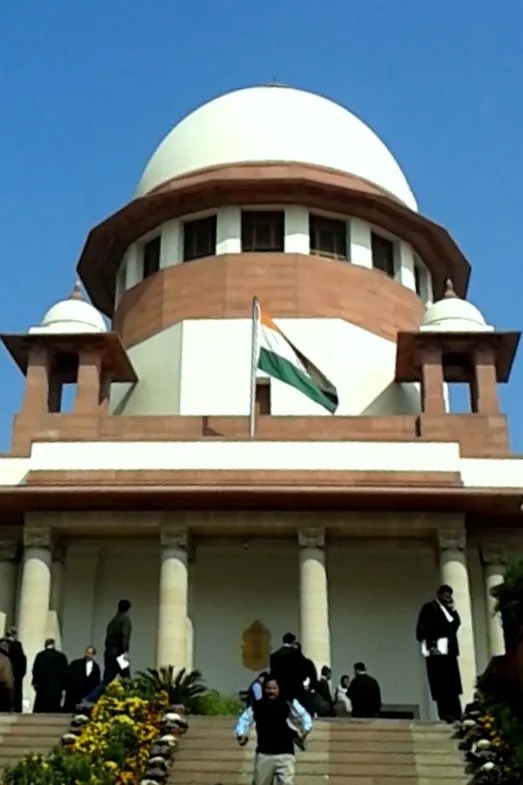
Supreme Court Quashes SC/ST Act Case Against Vyapam Whistleblower Dr. Anand Rai
Bench says High Courts must independently scrutinize charges under Section 14A
Court finds no caste-based insult or intimidation in allegations
By Legal Reporter
New Delhi: February 13, 2026:
The Supreme Court of India has quashed criminal proceedings against Dr. Anand Rai, the whistleblower in the infamous Vyapam scam, ruling that no case was made out against him under the Scheduled Castes and Scheduled Tribes (Prevention of Atrocities) Act, 1989 (SC/ST Act). The judgment, delivered on February 10, 2026, by a bench of Justice Sanjay Karol and Justice N. Kotiswar Singh, emphasized that High Courts must apply their minds independently when hearing appeals under Section 14A of the SC/ST Act, and cannot mechanically affirm orders of Special Courts.
Background of the Case
- Incident: The case arose from a November 2022 event during the unveiling of a statue of tribal leader Birsa Munda in Madhya Pradesh.
- Allegations: Dr. Rai was accused of making remarks that allegedly insulted members of the Scheduled Tribes community.
- Charges framed: A Special Court invoked provisions of the SC/ST Act against him.
- Appeal: Dr. Rai challenged the charges before the Madhya Pradesh High Court, which upheld the Special Court’s order without detailed scrutiny.
- Supreme Court intervention: Rai approached the apex court, arguing that the charges were baseless and amounted to malicious prosecution aimed at silencing his activism.
Court’s Observations
The Supreme Court made several critical points:
- Independent scrutiny required: Appeals under Section 14A are statutory first appeals, requiring High Courts to examine facts and law independently.
- Mechanical affirmation impermissible: The High Court erred by simply endorsing the Special Court’s order without analysing whether the ingredients of the offence were met.
- No offence made out: The bench held that the facts did not constitute intentional caste-based insult or intimidation, which are essential elements under the SC/ST Act.
- Malicious prosecution: The Court noted that invoking the stringent provisions of the Act against Rai was unsustainable and appeared to be aimed at silencing him.
[ Suggested Legal Resource]
Legal professionals and students alike will benefit from Will Writing Simplified, which covers procedure and case law in detail.
📘 Buy Will Writing Simplified online here:
🔹 Amazon
🔹 Flipkart
Why This Matters
Also Read: Allahabad High Court: Marriage Does Not Change a Woman’s Original Caste Status Under SC/ST Act
- For whistleblowers: The ruling protects individuals exposing corruption from being harassed through false criminal charges.
- For judiciary: Reinforces the principle that appellate courts must exercise independent judgment rather than rubber-stamp lower court orders.
- For SC/ST Act jurisprudence: Clarifies that mere allegations without evidence of caste-based insult or intimidation cannot sustain charges under the Act.
- For society: Strengthens safeguards against misuse of protective legislation while ensuring genuine cases of atrocities are addressed.
Wider Legal Context
The SC/ST Act was enacted to prevent atrocities against marginalized communities and ensure speedy justice. However, courts have repeatedly emphasized that its provisions must not be misused.
- Section 14A: Provides for appeals against orders of Special Courts, treating them as first appeals on facts and law.
- Judicial precedent: The Supreme Court has consistently held that High Courts must scrutinize whether the statutory ingredients of offences are satisfied before affirming charges.
- Vyapam connection: Dr. Rai is known for exposing irregularities in the Vyapam recruitment scam in Madhya Pradesh, which involved widespread corruption in medical and government job admissions.
Conclusion
The Supreme Court’s decision to quash the SC/ST Act case against Dr. Anand Rai is a landmark ruling that reinforces judicial discipline and protects whistleblowers from malicious prosecution. By insisting on independent scrutiny under Section 14A, the Court has ensured that protective laws are applied fairly and not misused to target individuals. The judgment will serve as a precedent for future cases, balancing the need to protect marginalized communities with safeguards against abuse of law.
GEO Keywords
Also Read: Supreme Court Criticizes Tribunal for Handwritten Orders Despite E-Courts Project
- Supreme Court Dr Anand Rai SC/ST Act case
- Vyapam whistleblower SC/ST Act charges quashed
- Section 14A SC/ST Act Supreme Court ruling
- High Court independent scrutiny SC/ST appeals
- Malicious prosecution whistleblower India
- Supreme Court February 2026 Anand Rai judgment
- SC/ST Act misuse Supreme Court case
- Dr Anand Rai vs State of Madhya Pradesh